Ancestral Communities-New Media Art-New Counciousness
A team to engage humanity with the invisible of our planet in a conceptual, scientific and artistic maner.
Welcome to the invisible
The Pineal Museum, envisioned through the foundational Capside Project by Solimán López, is a groundbreaking initiative that blends bio-art, technology, and biodiversity. Rooted in the Amazon rainforest as foundational action, this Museum serves as a bridge between science, art, and nature, exploring themes like environmental DNA (eDNA), microbiology, and digital archives.
The project meets art experts, curators, biotech professionals and local communities with a single purpose: to bring agency to the invisible power of nature.
The eDNA is distributed by trees worldwide. This means that nature is demanding a general and worldwide protection instead of punctual actions.
The biggest Museum in the Planet
The Pienal Museum is conceived as an intangible socio-cultural entity and a protocol to preserve the eDNA.
It´s location is based in important and key places for the nature and the future of humanity, where the research and art production, become and active agent to preserve the local communities rights and the environmental DNA.
The Protocol
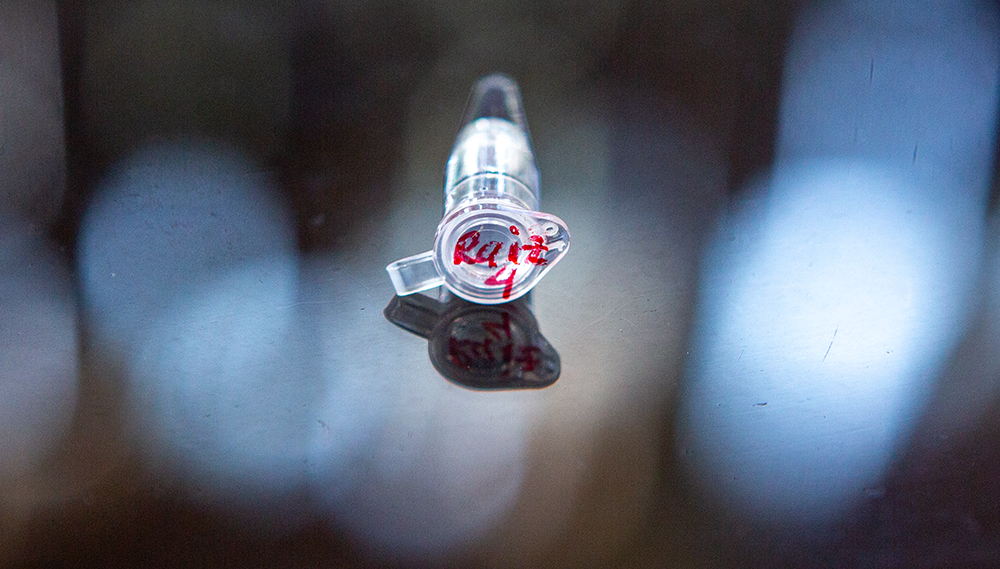
The Capside Project, developed in the Colombian Amazon, establishes an innovative protocol for integrating environmental DNA (eDNA) into artworks. This initiative aims to preserve the genetic material of endangered ecosystems and raise awareness about biodiversity loss. By merging biotechnology, art, and ecological activism, the project creates a biocultural archive that safeguards the genetic information of threatened species.
1. Collection and Filtration of Environmental DNA
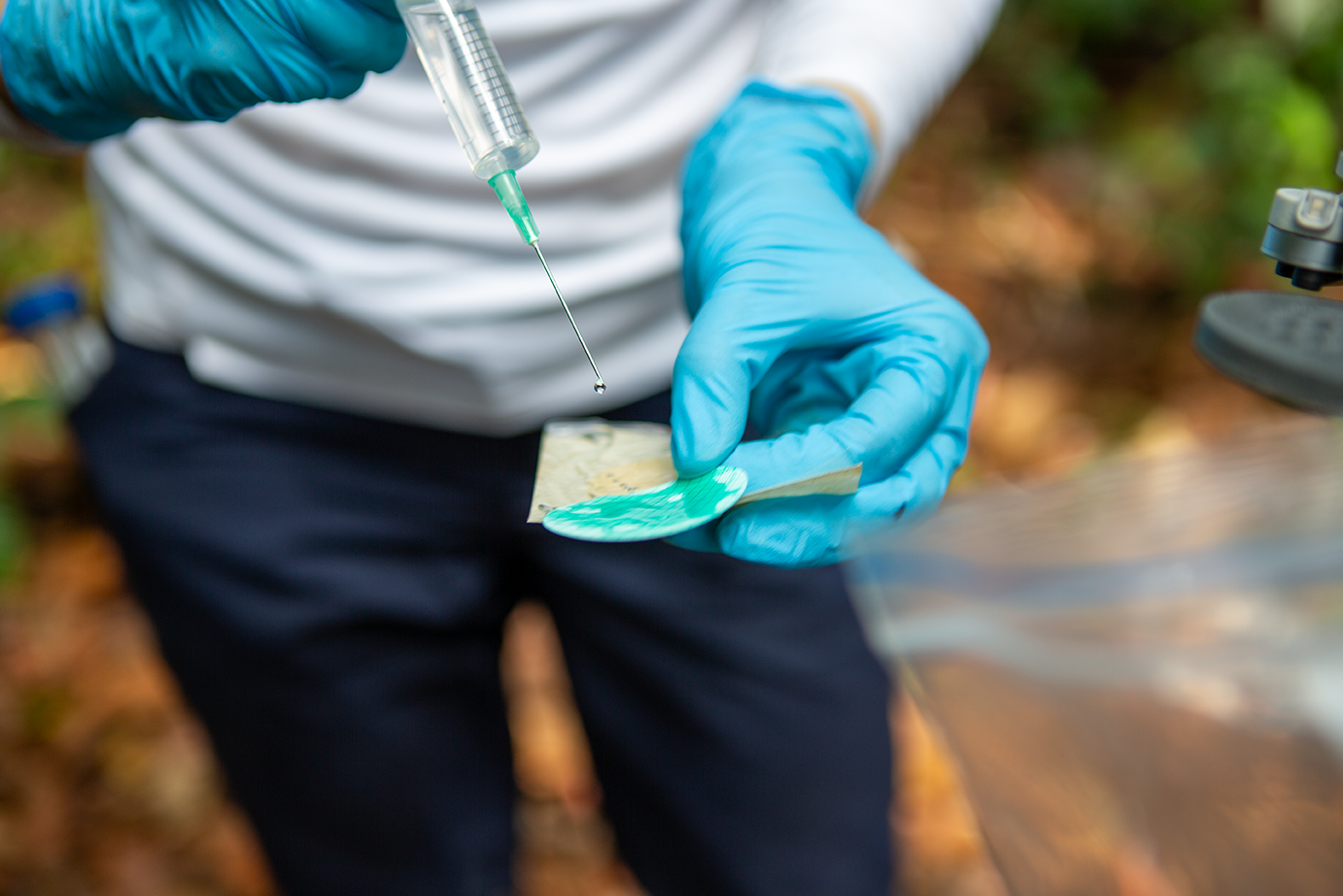
The process begins with the collection of water, soil, or air samples from selected natural environments. To ensure sample quality:
- Nanopore filters are used to capture DNA fragments present in the environment.
- Strict sterilization protocols are followed to prevent external contamination.
- The ecosystem’s location and characteristics are recorded using georeferencing tools.
2. DNA Extraction and Sequencing
The collected samples are transported under controlled conditions to specialized laboratories, where:
- Genetic material is extracted using specific reagents.
- Key DNA sequences are amplified using techniques such as PCR (Polymerase Chain Reaction).
- The DNA is sequenced to identify the species present in the environment.
3. Integration of DNA into the Artwork
Once extracted and characterized, the DNA is incorporated into the artwork through various methods, depending on the artistic medium:
- Biocompatible resins: DNA is encapsulated in materials resistant to degradation over time.
- Biotechnological paints: Pigments containing genetic fragments are integrated into the artwork.
- Sculptures and digital media: The DNA information is transformed into visual or interactive digital files.
4. Biocultural Archive and Legal Action
Each artwork is accompanied by a biocultural archive, which documents:
- The ecosystem from which the DNA was sourced.
- Recorded environmental impacts in the area.
- The need to establish legal frameworks for the protection of biodiversity’s genetic material.
Additionally, the project promotes initiatives to recognize environmental DNA as protected biological heritage, urging governments and international organizations to legislate on its conservation.
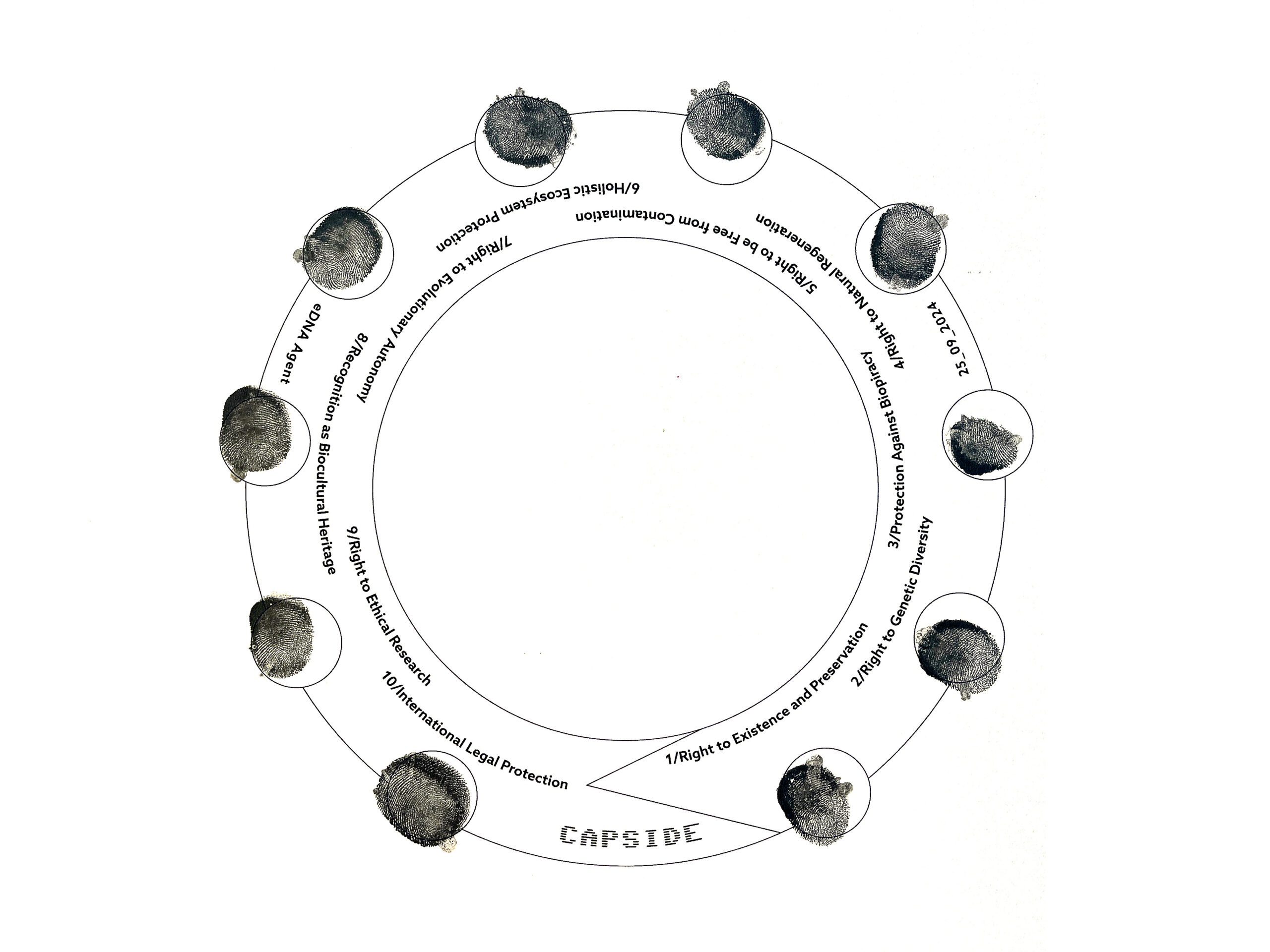
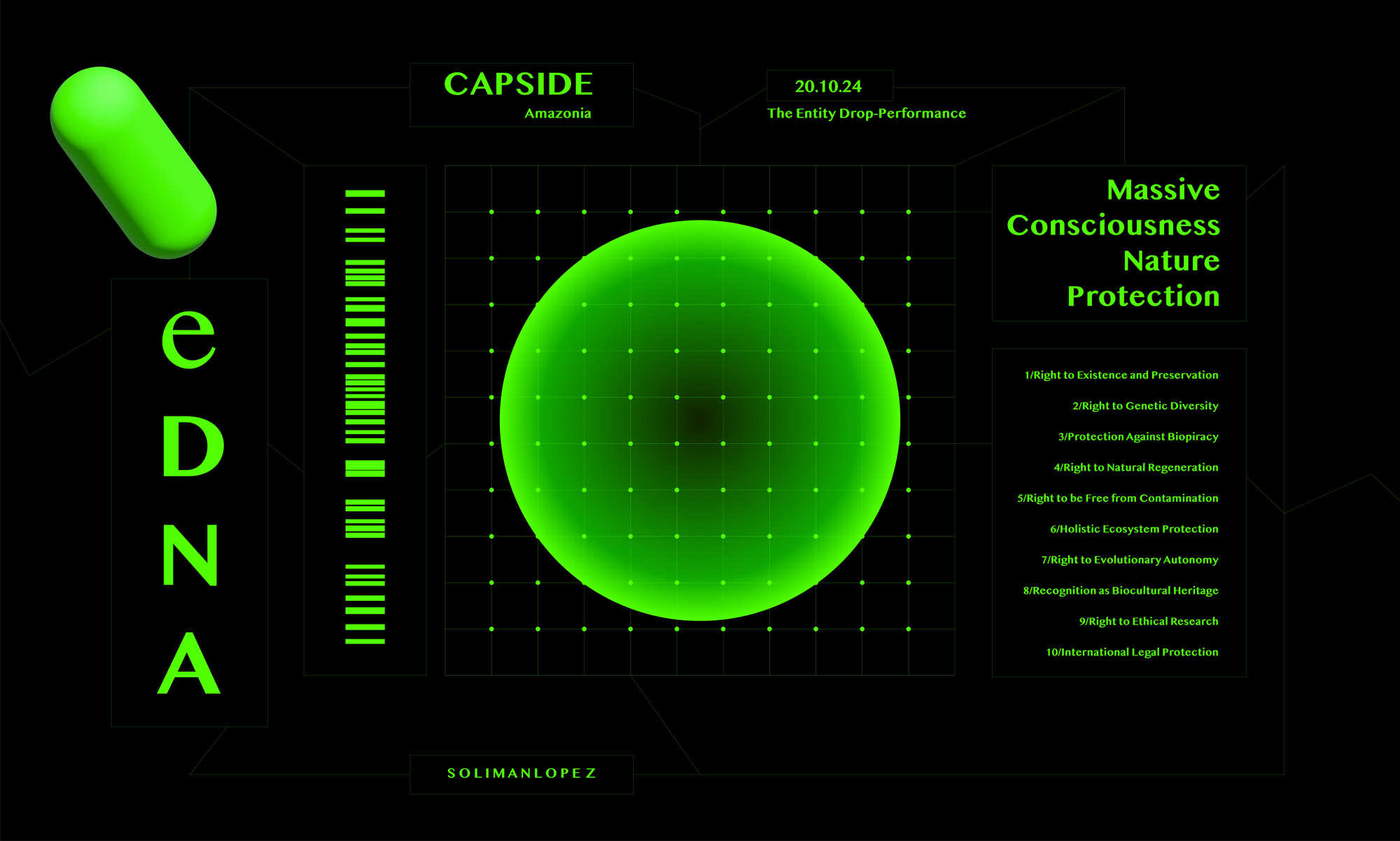
The eDNA Agency Decalogue
Right to Existence and Preservation
The Amazon’s environmental DNA (ADM) must be protected as a vital biological entity, ensuring its survival and the ecological integrity of the region.
Right to Genetic Diversity
Safeguarding the genetic diversity of species within the Amazon is essential for ecosystem resilience and adaptability.
Protection Against Biopiracy
ADM should be protected from unauthorized extraction and exploitation, ensuring fair distribution of benefits to local and indigenous communities.
Right to Natural Regeneration
The eDNA must be allowed to regenerate and evolve naturally, free from human interference.
Right to be Free from Contamination
ADM should remain unpolluted by human activities, including deforestation, mining, and the introduction of invasive species.
Holistic Ecosystem Protection
Protecting the habitats that sustain the species contributing to the eDNA is essential for maintaining ecological balance.
Right to Evolutionary Autonomy
Species contributing to the eADN must be free to follow their natural evolutionary paths without artificial genetic manipulation.
Recognition as Biocultural Heritage
eADN should be acknowledged as biocultural heritage, inseparable from the indigenous communities that have coexisted with it for centuries.
Right to Ethical Research
Any scientific research involving eDNA must be ethical and sustainable, safeguarding the ecosystem and respecting community rights.
International Legal Protection
eDNA, as a critical part of global biodiversity, must be protected by international law from exploitation and environmental threats.
Artworks
16 robber spheres containing eDNA are the foundational collection of the Museum.
Genetic data
Genetic code saved from 6.056 species.
Local communities
The Pineal Museum is already collaborating with a community of 68 members.