Immersion in the Nature
Each collection deserve a deep diving into the nature
The Protocol
The Capside Project, developed in the Colombian Amazon, establishes an innovative protocol for integrating environmental DNA (eDNA) into artworks. This initiative aims to preserve the genetic material of endangered ecosystems and raise awareness about biodiversity loss. By merging biotechnology, art, and ecological activism, the project creates a biocultural archive that safeguards the genetic information of threatened species.
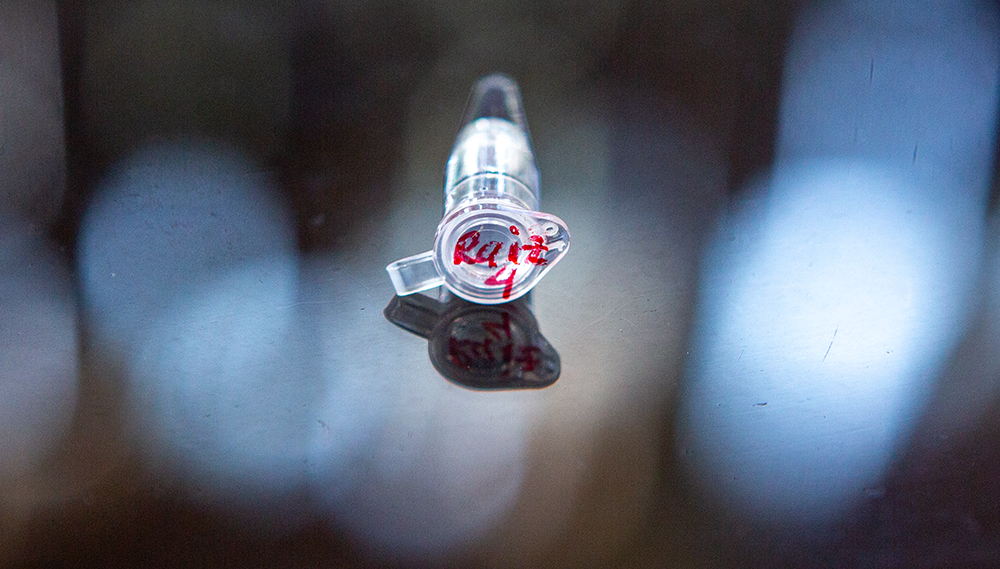
1. Collection and Filtration of Environmental DNA
The process begins with the collection of water, soil, or air samples from selected natural environments. To ensure sample quality:
- Nanopore filters are used to capture DNA fragments present in the environment.
- Strict sterilization protocols are followed to prevent external contamination.
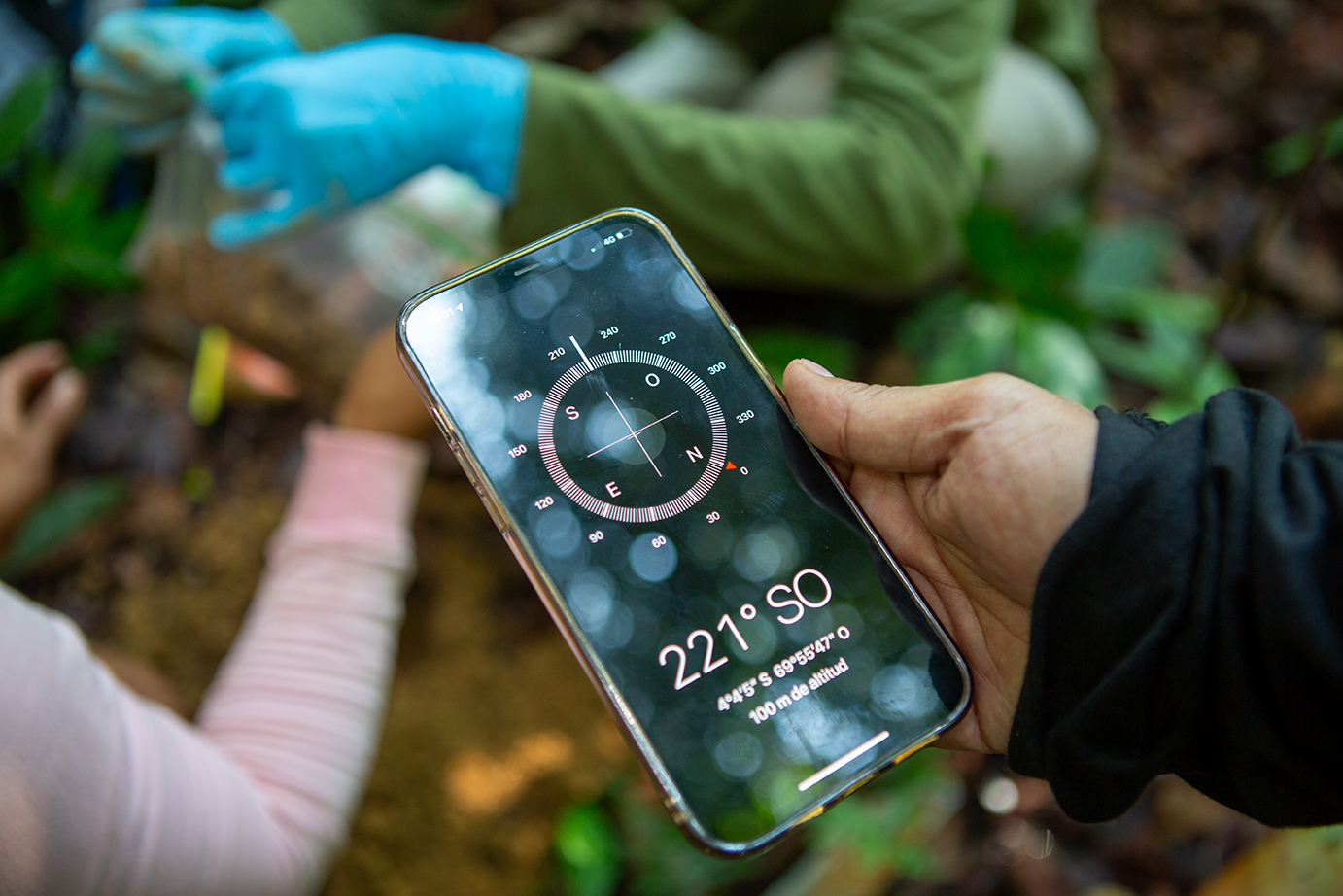
- The ecosystem’s location and characteristics are recorded using georeferencing tools.
2. DNA Extraction and Sequencing
The collected samples are transported under controlled conditions to specialized laboratories, where:
- Genetic material is extracted using specific reagents.
- Key DNA sequences are amplified using techniques such as PCR (Polymerase Chain Reaction).
- The DNA is sequenced to identify the species present in the environment.
3. Integration of DNA into the Artwork
Once extracted and characterized, the DNA is incorporated into the artwork through various methods, depending on the artistic medium:
- Biocompatible resins: DNA is encapsulated in materials resistant to degradation over time.
- Biotechnological paints: Pigments containing genetic fragments are integrated into the artwork.
- Sculptures and digital media: The DNA information is transformed into visual or interactive digital files.
4. Biocultural Archive and Legal Action
Each artwork is accompanied by a biocultural archive, which documents:
- The ecosystem from which the DNA was sourced.
- Recorded environmental impacts in the area.
- The need to establish legal frameworks for the protection of biodiversity’s genetic material.
Additionally, the project promotes initiatives to recognize environmental DNA as protected biological heritage, urging governments and international organizations to legislate on its conservation.